DADDIES BOI is a film-short as well as a proof of concept pilot for a planned series about two best friends who are aging sugar babies and who navigate the gig economy through a new app called Daddies Boi. The story follows the two friends in L.A. navigating the hustle economy as they attempt to make ends meet and explore creative ways to thrive but mostly their efforts are about surviving.
Created by Zoe Tyson and Louie Rinaldi who said in an interview with the WORD Editor-Reviewer Gregg Morris, that they had infused humor and joy for depictions of sex work and sugar dating, which are often portrayed in darker tones. The filmmakers emphasize universal themes of finding one’s place, building friendships in unique spaces, and making it work regardless of age.
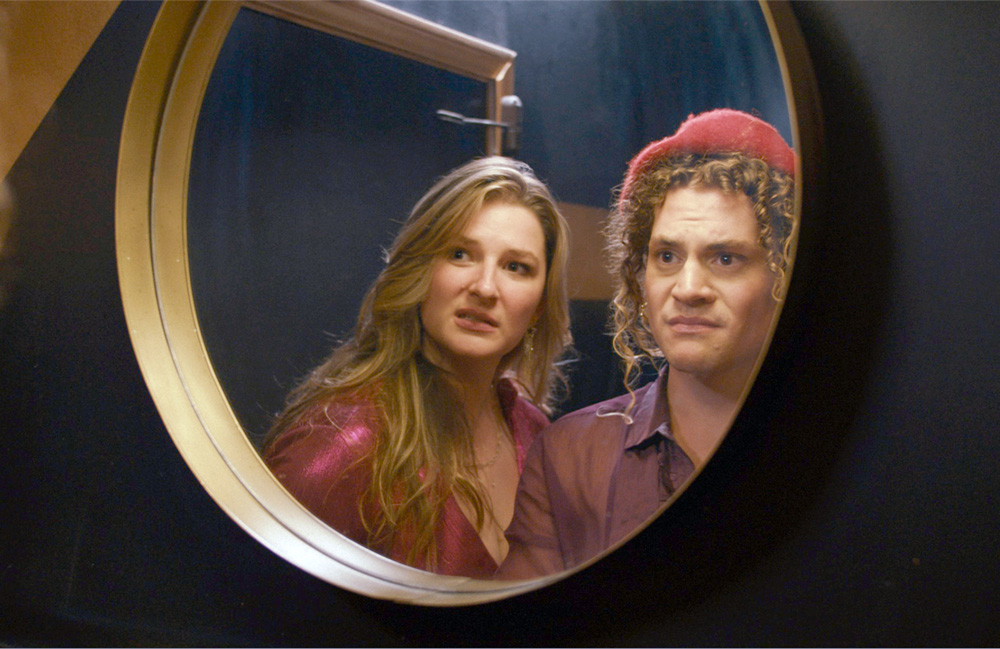
DADDIES BOI generated significant positive responses during its festival run, with screenings at NewFest and Temecula. The creators are in early conversations with distributors, with aspirations to secure a streaming service acquisition. The planned series would consist of six to eight episodes of approximately 30 minutes each for the first season, with outlines developed for three seasons total.
The production emphasized resourcefulness and collaboration, with Tyson and Rinaldi working with a lean budget while assembling a trusted team of artists they respected. Beyond DADDIES BOI, the creative partners said in a Q&A interview that they were developing additional projects, including a remount of the play “Victoria” and a vertical series called “Divorce Ranch,” described as a historical comedy.
Slamdance Film Festival Overview
Slamdance Film Festival is an annual independent film festival and artist-led event that showcases work from emerging and grassroots filmmakers, especially those making their first or early films outside the mainstream studio system. It was founded in 1995 by a group of filmmakers who had been rejected by the Sundance Film Festival and wanted a platform where new voices could be seen and heard on their own terms.
Key characteristics:
Focus on emerging talent – The festival emphasizes low-budget, innovative films, especially debut features and shorts by first-time directors or independent creators.
Filmmaker-led programming – Unlike many festivals, the program is selected by a broad pool of past Slamdance alumni filmmakers, each having an equal voice in what gets chosen.
Inclusive submission policy – It accepts films in all genres from around the world, with few restrictions on completion date, theme, or format; documentaries, narratives, animation, episodic content, and experimental works are all considered.
Award recognition – Slamdance is an Academy Award® and BAFTA-qualifying festival in several short film categories, meaning winners can become eligible for major awards consideration.
Alumni success – Many notable filmmakers got their start at Slamdance, including Christopher Nolan, Rian Johnson, Ari Aster, Bong Joon Ho, The Russo Brothers, Lena Dunham, and Sean Baker.
Location & timing – Originally held in Park City, Utah alongside Sundance, the festival plans have shifted to Los Angeles beginning in 2025, offering greater access and visibility in the heart of the entertainment industry.
In essence, Slamdance stands for “by filmmakers, for filmmakers” — a community that champions raw creativity, independent spirit, and new voices in cinema
DADDIES BOI generated significant positive responses during its festival run, with screenings at NewFest and Temecula. The creators are in early conversations with distributors, with aspirations to secure a streaming service acquisition. The planned series would consist of six to eight episodes of approximately 30 minutes each for the first season, with outlines developed for three seasons total.
The production emphasized resourcefulness and collaboration, with Tyson and Rinaldi working with a lean budget while assembling a trusted team of artists they respected. Beyond DADDIES BOI, the creative partners said they were developing additional projects, including a remount of the play “Victoria” and a vertical series called “Divorce Ranch,” described as a historical comedy.
-30-

the WORD Editor Gregg W. Morris